Overview
<!-- My Role & Scope -->
Led UX direction from research through final interface design
Synthesised stakeholder and user insights into personas and journey maps
Defined information architecture and core interaction flows
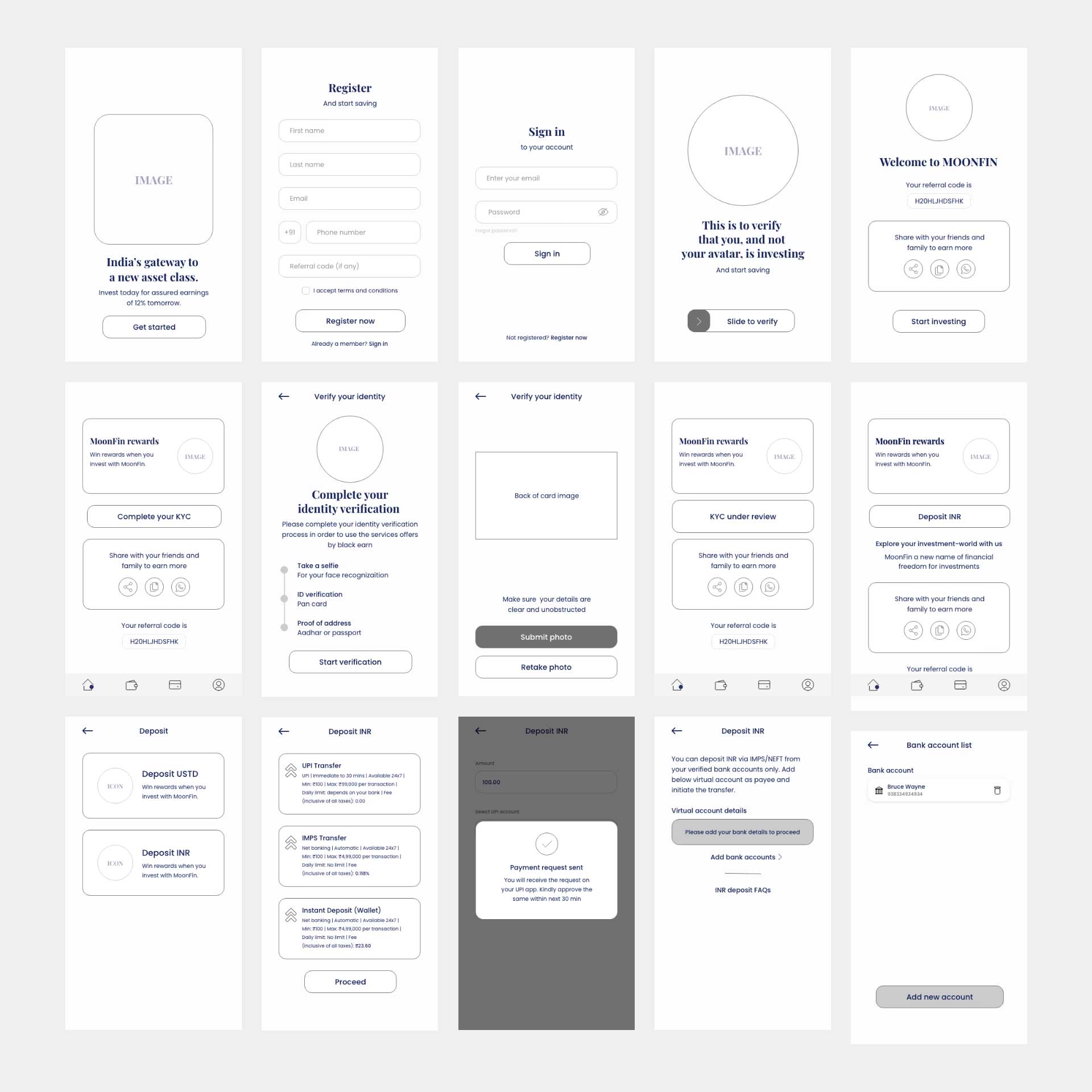
Created and validated low-fidelity wireframes
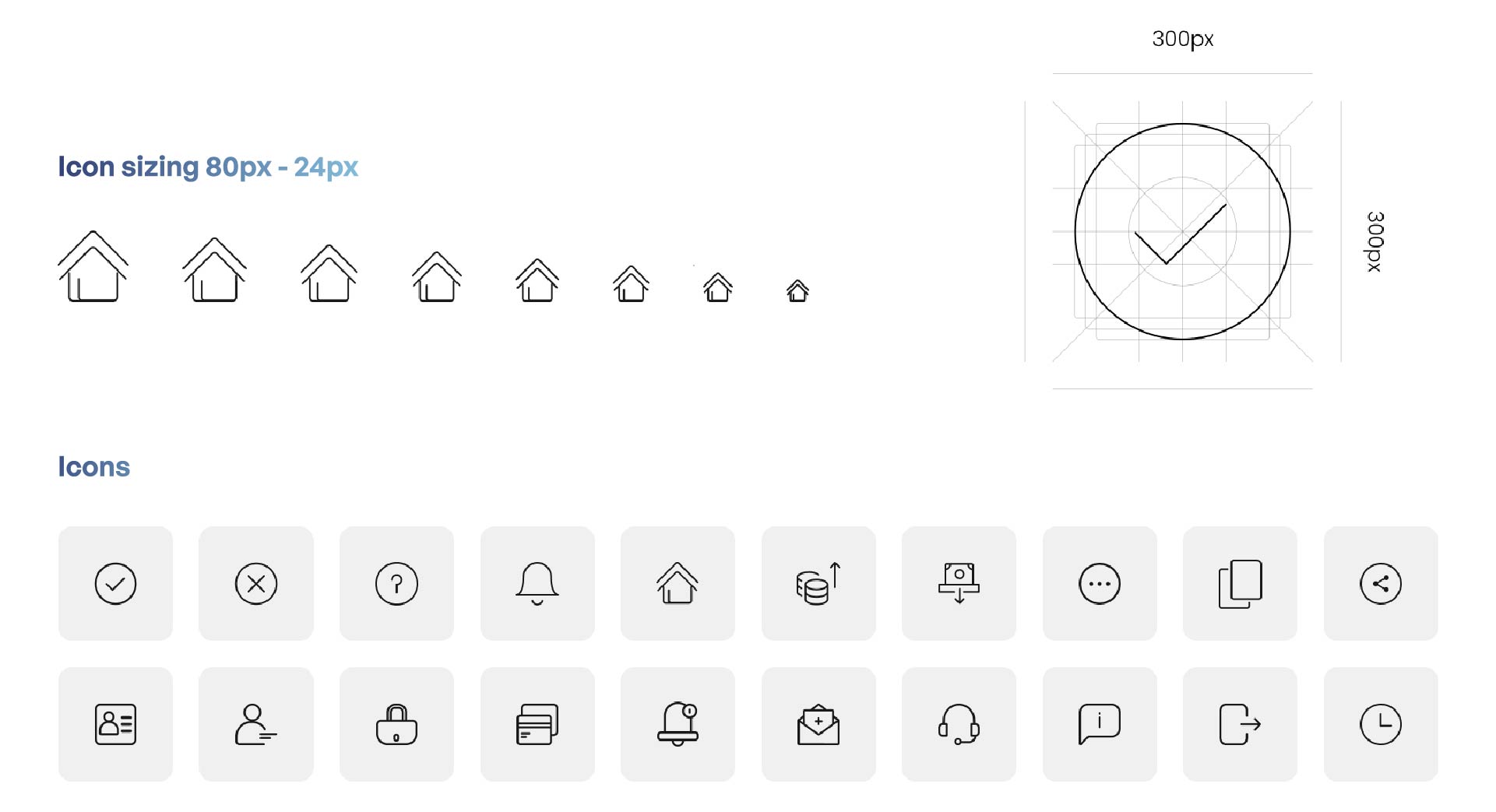
Designed the visual system and foundational component library
Collaborated closely with engineering during feasibility discussions
<!-- Context -->
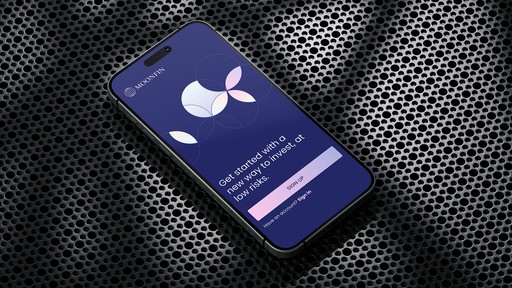
Moonfin was a crypto investment platform designed for cautious first-time investors in India.
While the business model was defined, the user experience required clearer structure around trust, money flow, and perceived risk. The focus was on simplifying complex financial concepts into an understandable and confidence-building experience.
<!-- Objective -->
Increase adoption of stablecoin-based investing by reducing perceived financial risk and simplifying how users understand money movement and returns.
A trust-first crypto investing experience designed for cautious first-time Indian investors
<!-- Initial Validation Insights -->
(The product was to be launched, but was paused due to changes in crypto regulations in India.)
<!-- Challenge -->
Crypto adoption in India was limited by regulatory uncertainty, volatility perception, and lack of clarity around stablecoin mechanics. Hesitation wasn’t driven by missing features - it was driven by lack of clarity around money movement and risk management.
The process
<!-- Mapping the competitive terrain -->
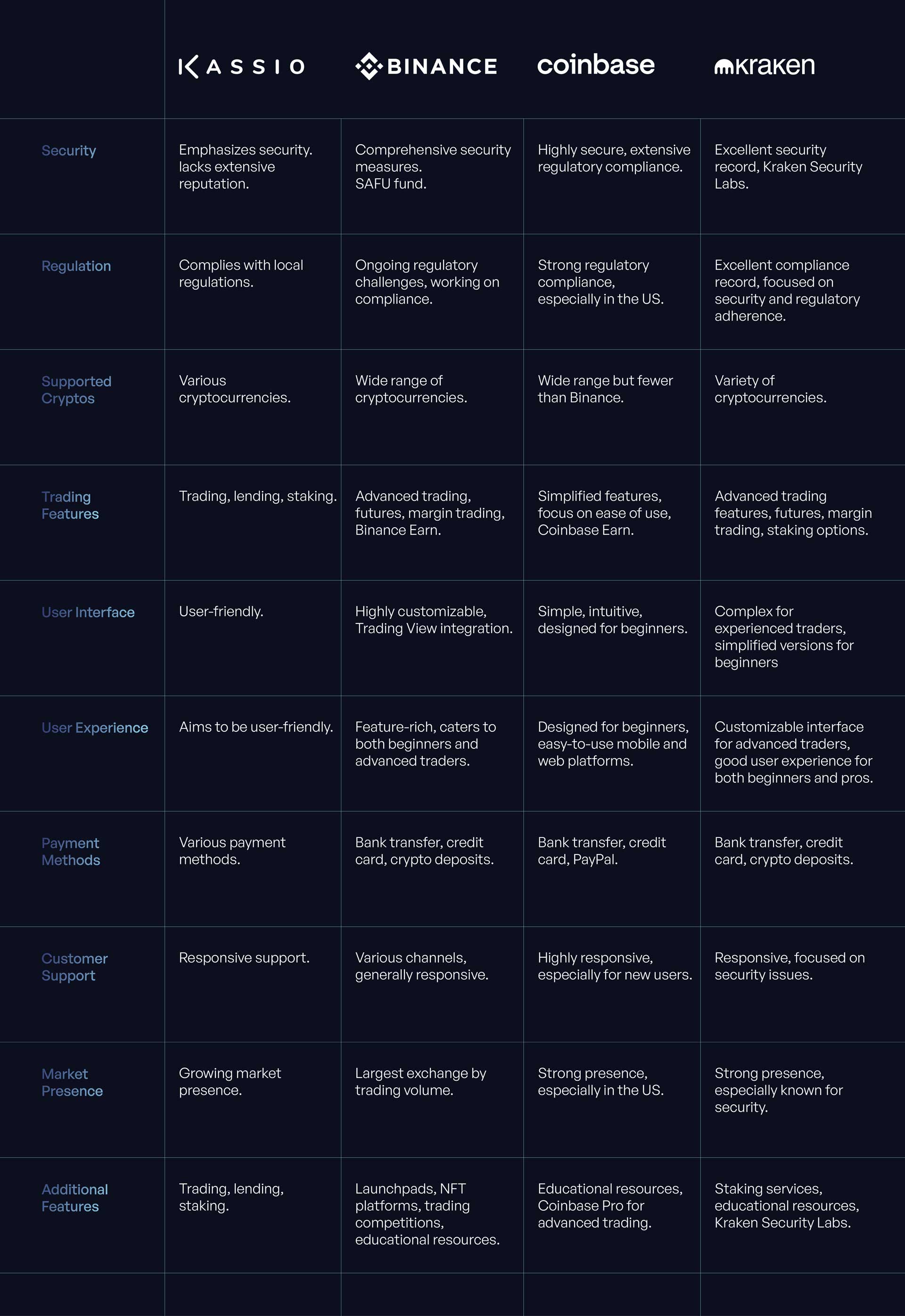
To understand how Moonfin should position itself, we analysed leading crypto platforms including Binance, Coinbase, Kraken, and regional exchanges operating in India.
Observations
Most platforms prioritised trading depth and advanced features
Interfaces were dense and visually intense
Risk communication was minimal or secondary
KYC and commitment were required early in the flow
Financial mechanics were not clearly explained for first-time users
Key Insight : The hesitation wasn’t about feature gaps — it was about clarity and perceived safety.
Strategic Opportunity: Position Moonfin as a trust-first platform by:
Simplifying the mental model of how money flows
Explaining risk before encouraging action
Structuring the experience around progressive commitment rather than aggressive trading
The comparison below helped clarify where competitors were over-indexed on complexity and under-indexed on clarity.
<!-- Decoding the Indian investor -->
<!-- Reframing the Problem Around User Intent-->
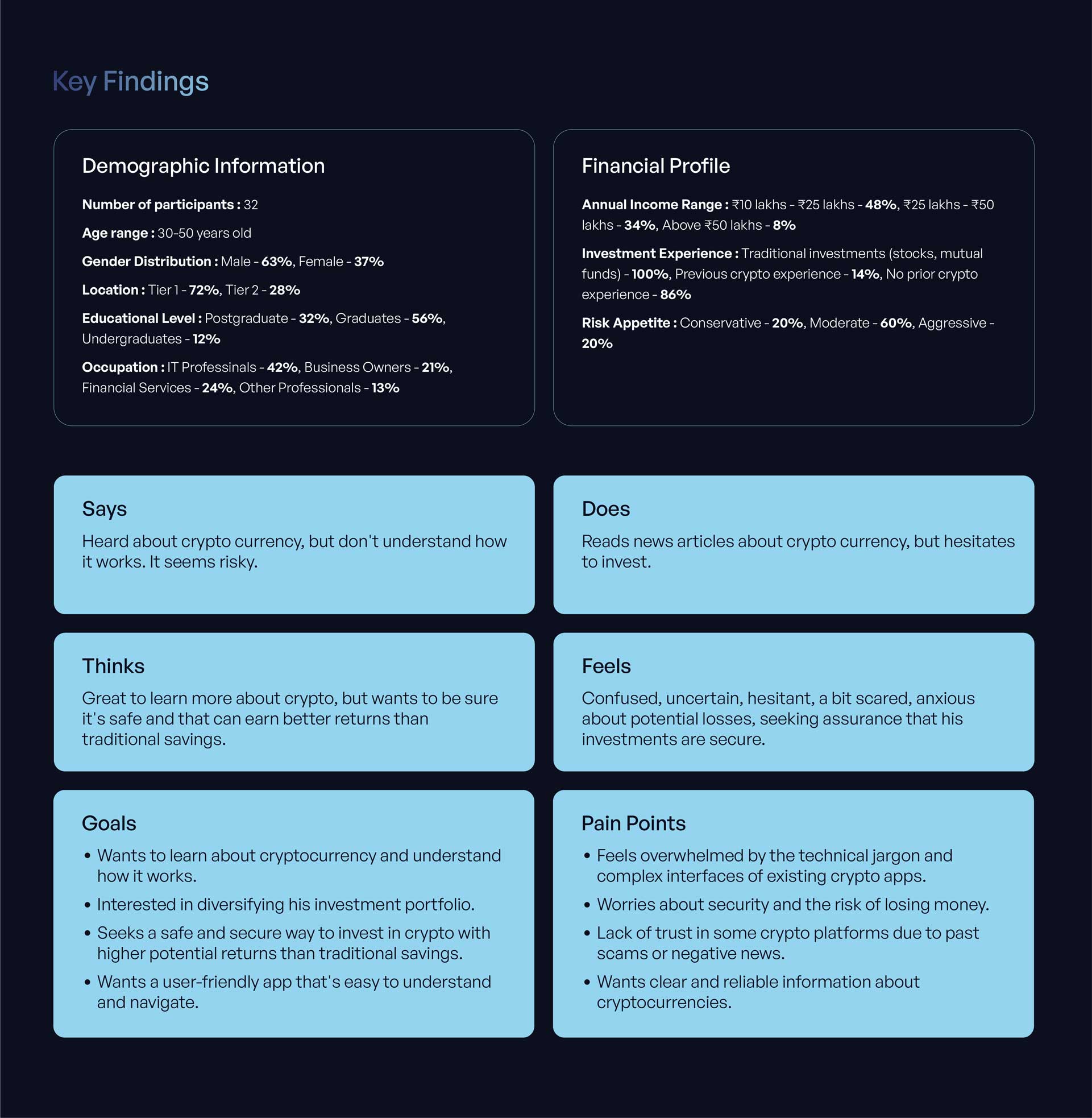
Instead of designing around trading features, we reframed the product around user intent - what problem users were actually trying to solve.
Through research, it became clear that most first-time Indian crypto investors were not looking for advanced trading tools. They were looking for clarity, safety and reassurance.
Core User Intent: “Help me grow my money safely, without feeling confused or exposed to unknown risks.”
What Users Needed Functionally:
Understand how their money moves within the platform
See clear explanations of risk and returns
Track investments without complexity
Complete required steps without friction
What Users Needed Emotionally:
Feel confident before committing funds
Reduce fear of making a wrong decision
Experience reassurance at key financial steps
What Users Needed Socially:
Feel informed and financially responsible
Avoid appearing uninformed when discussing crypto
This reframing shifted the product direction from feature depth to trust-building. It directly influenced the onboarding structure, dashboard layout and progressive investment model used in the final experience.
<!-- User Journey & Friction Points-->
<!-- Solution -->
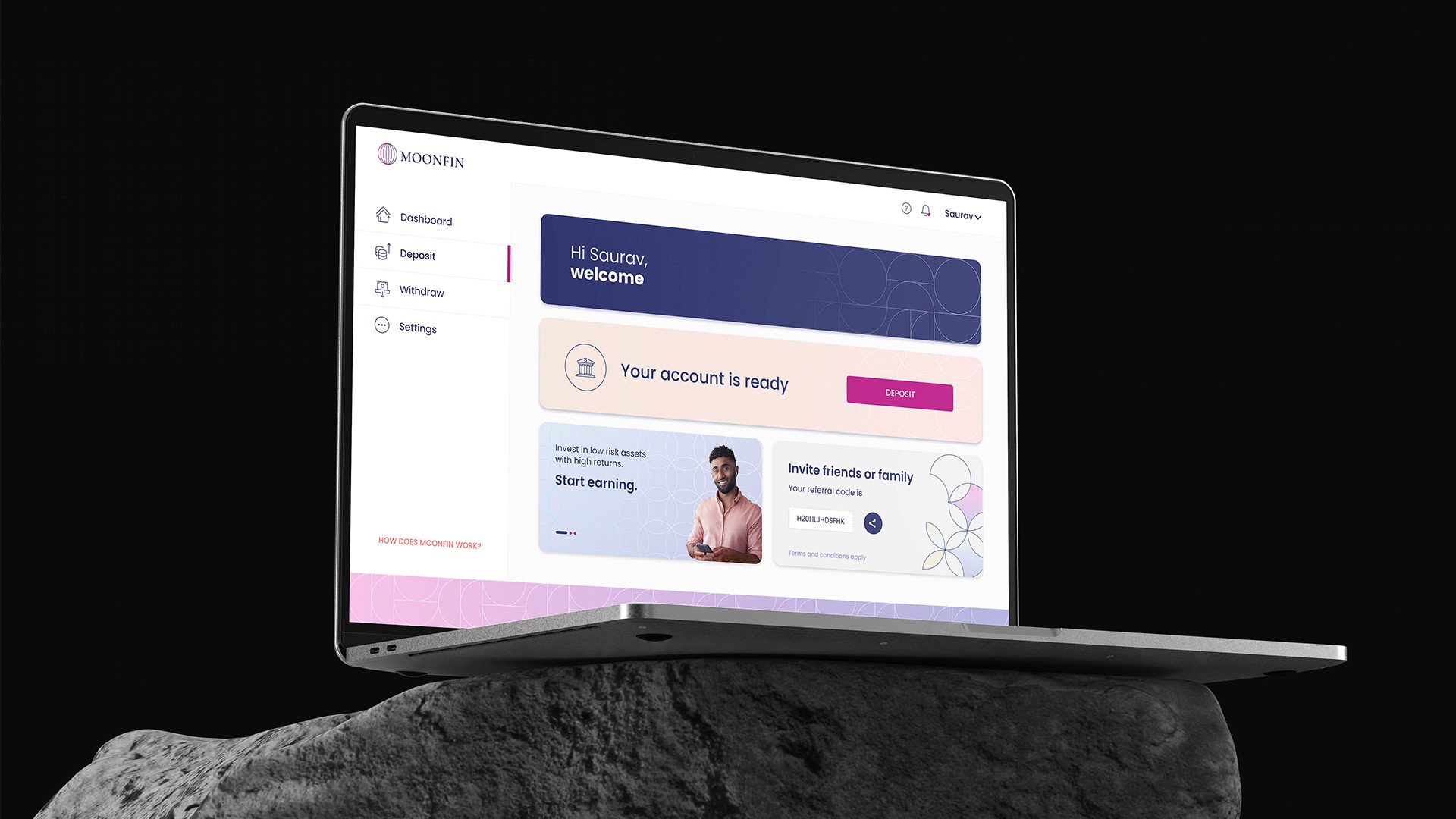
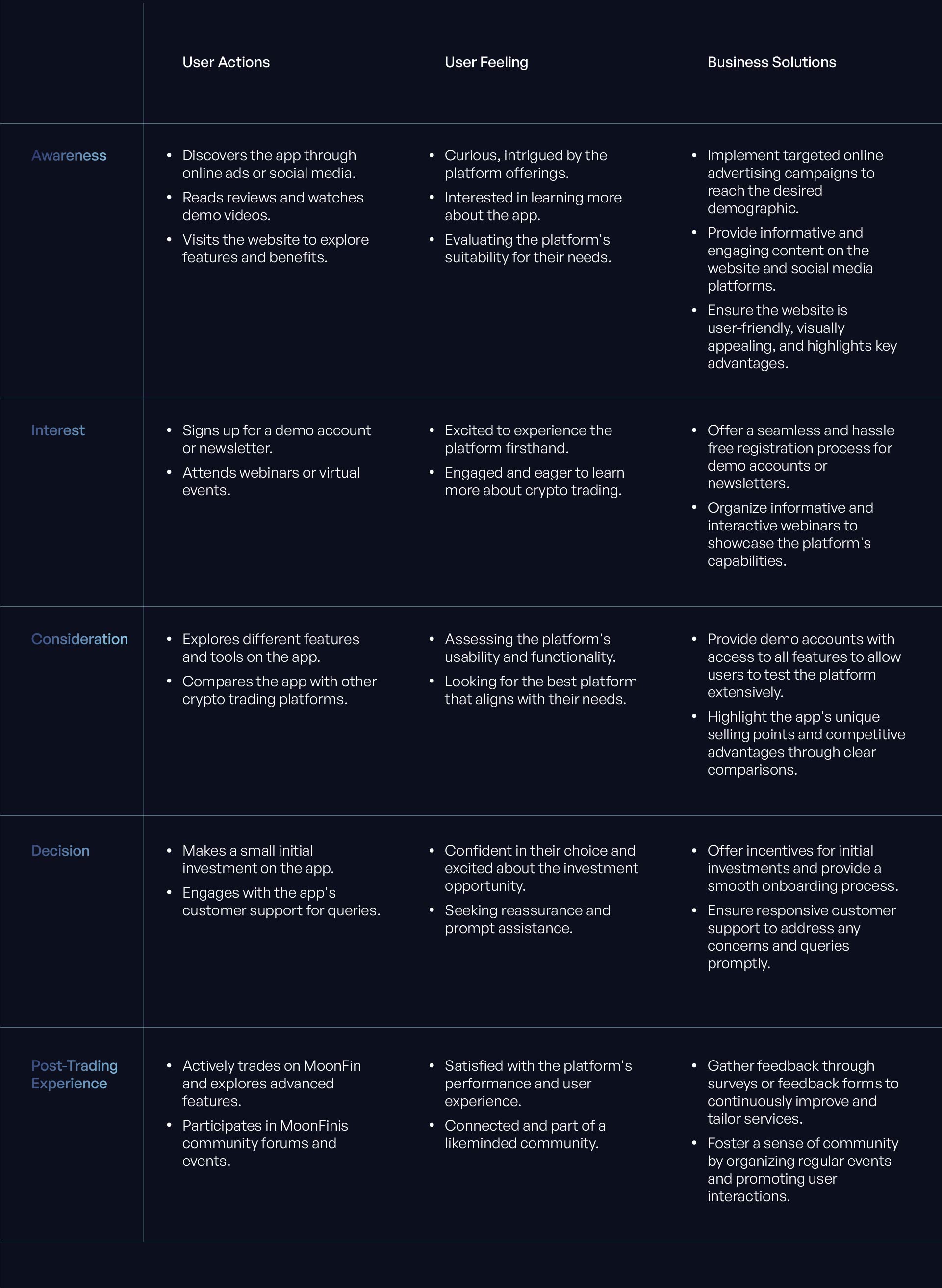
Based on the research and journey mapping, the solution focused on building trust before action. Instead of pushing users toward trading complexity, the experience was structured around clarity, transparency and progressive commitment.
Core Design Principles:
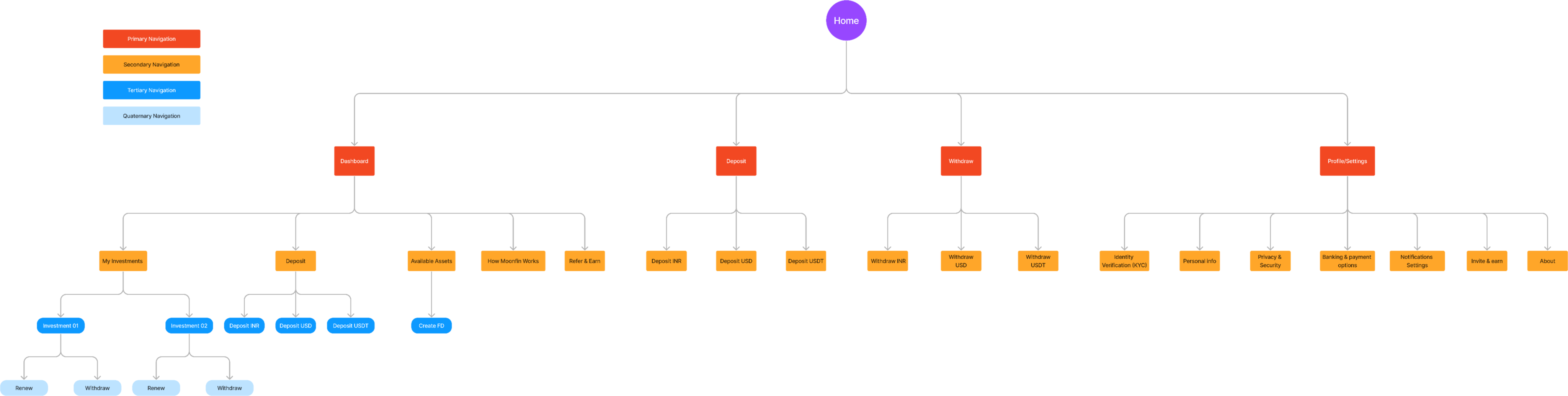
Dashboard-first architecture to reduce navigation friction
Progressive commitment model (learn → understand → invest)
Clear breakdown of money movement and returns
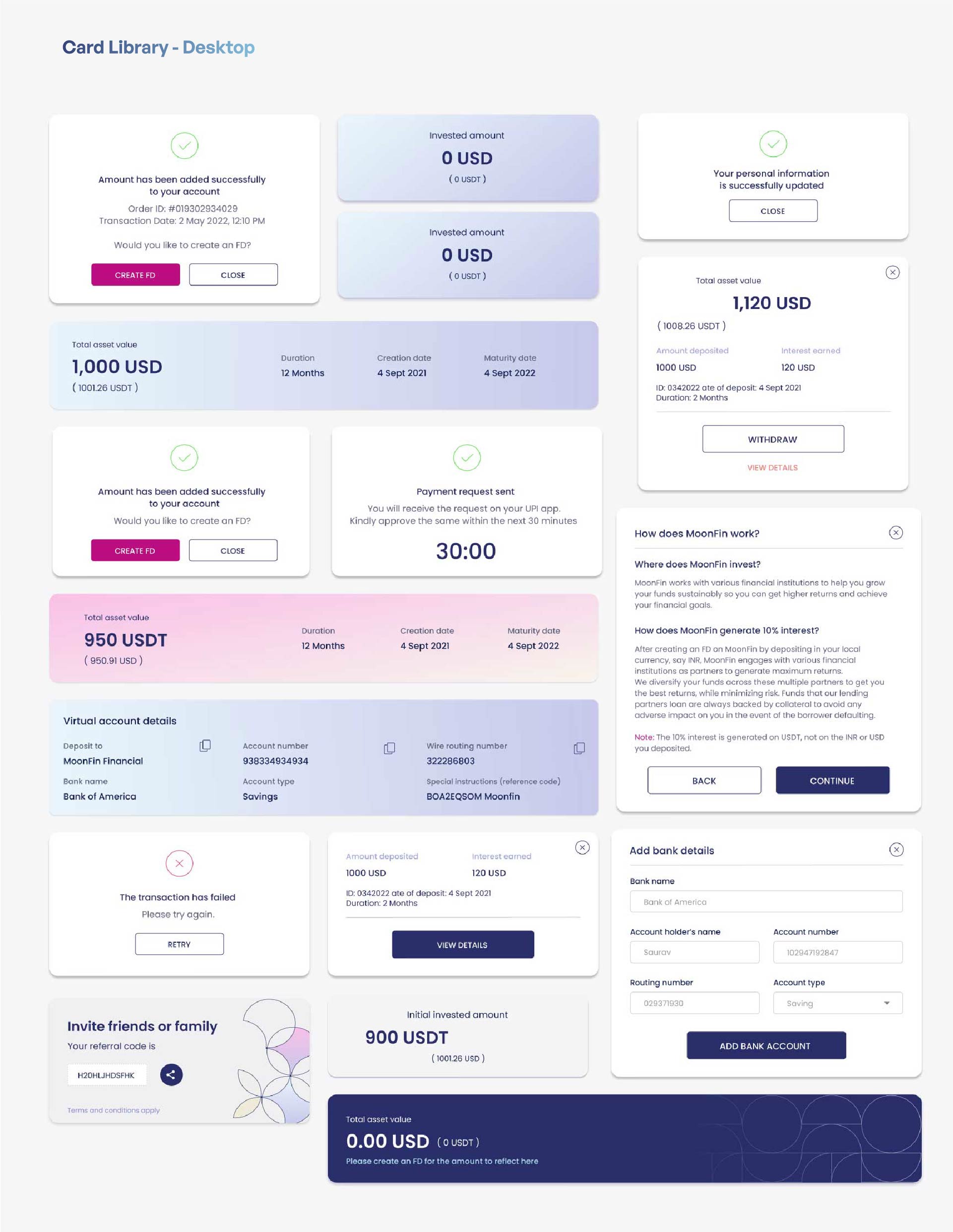
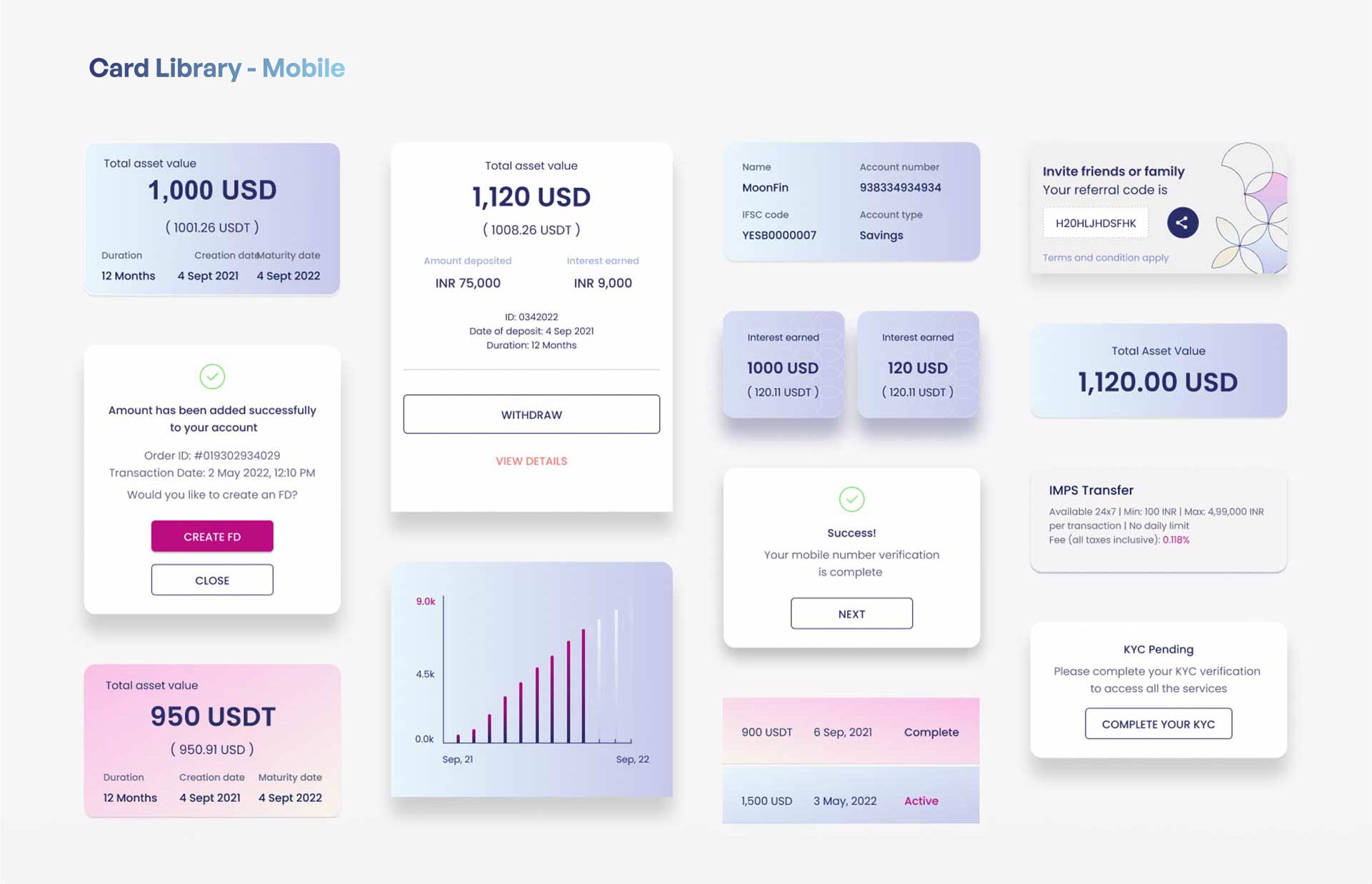
Modular card-based layout for financial transparency
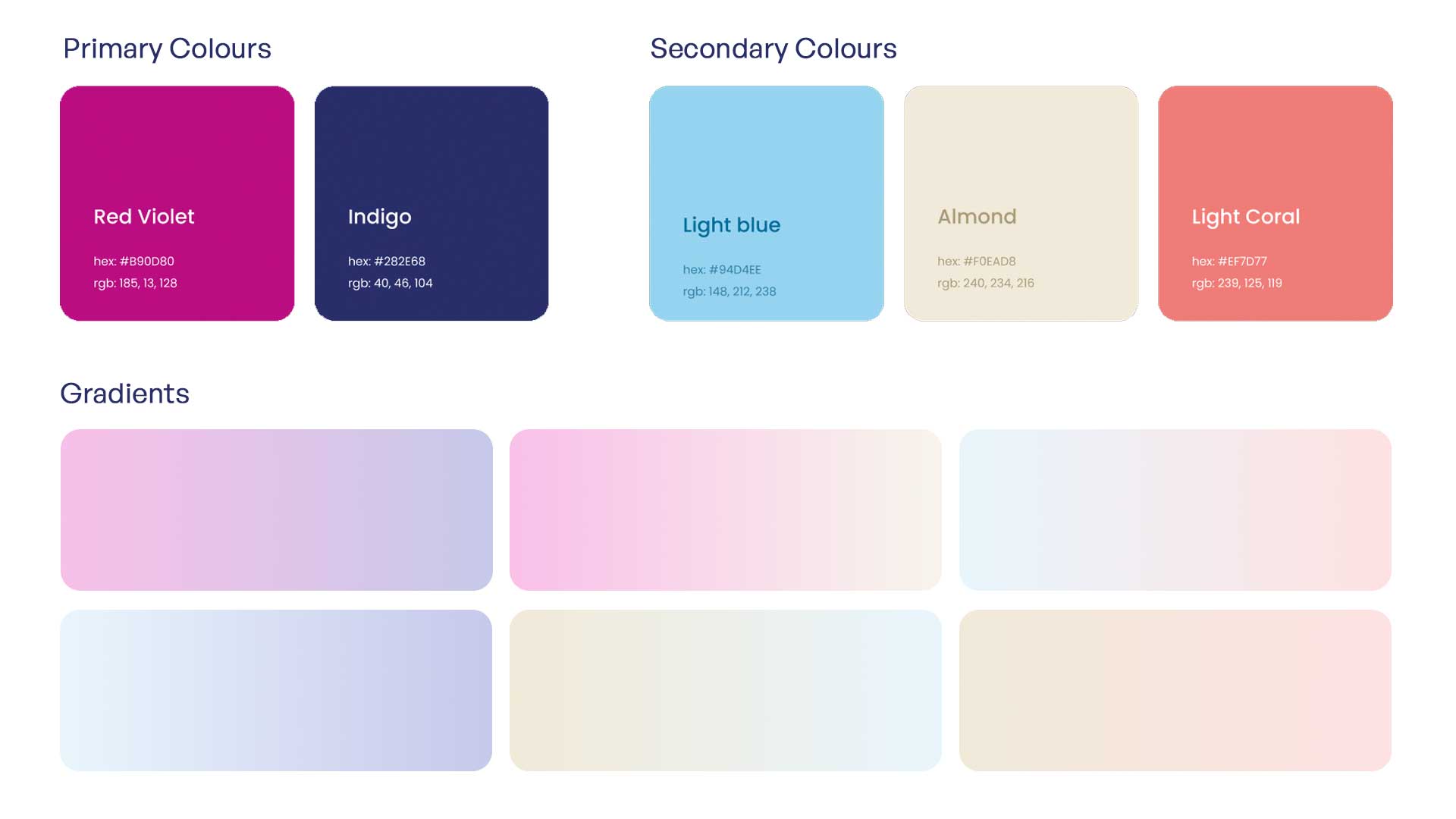
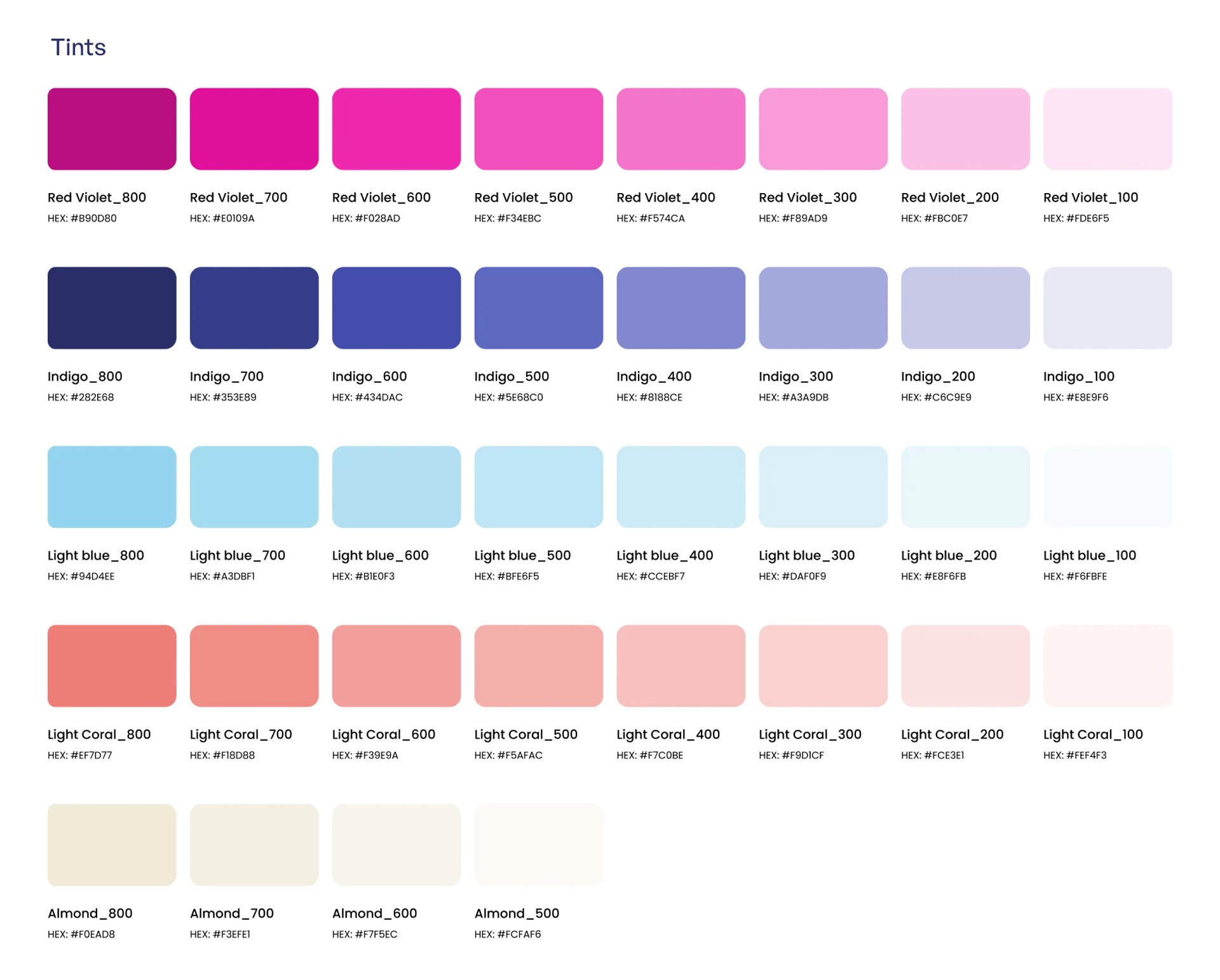
Calm, trust-forward visual system
<!-- Reflection -->
If taken forward, I would validate:
Onboarding drop-off rate
First investment conversion
Repeat investment behaviour
The hypothesis: reducing ambiguity increases confidence-driven action.
<!-- Colour palette-->
<!-- Iconography-->
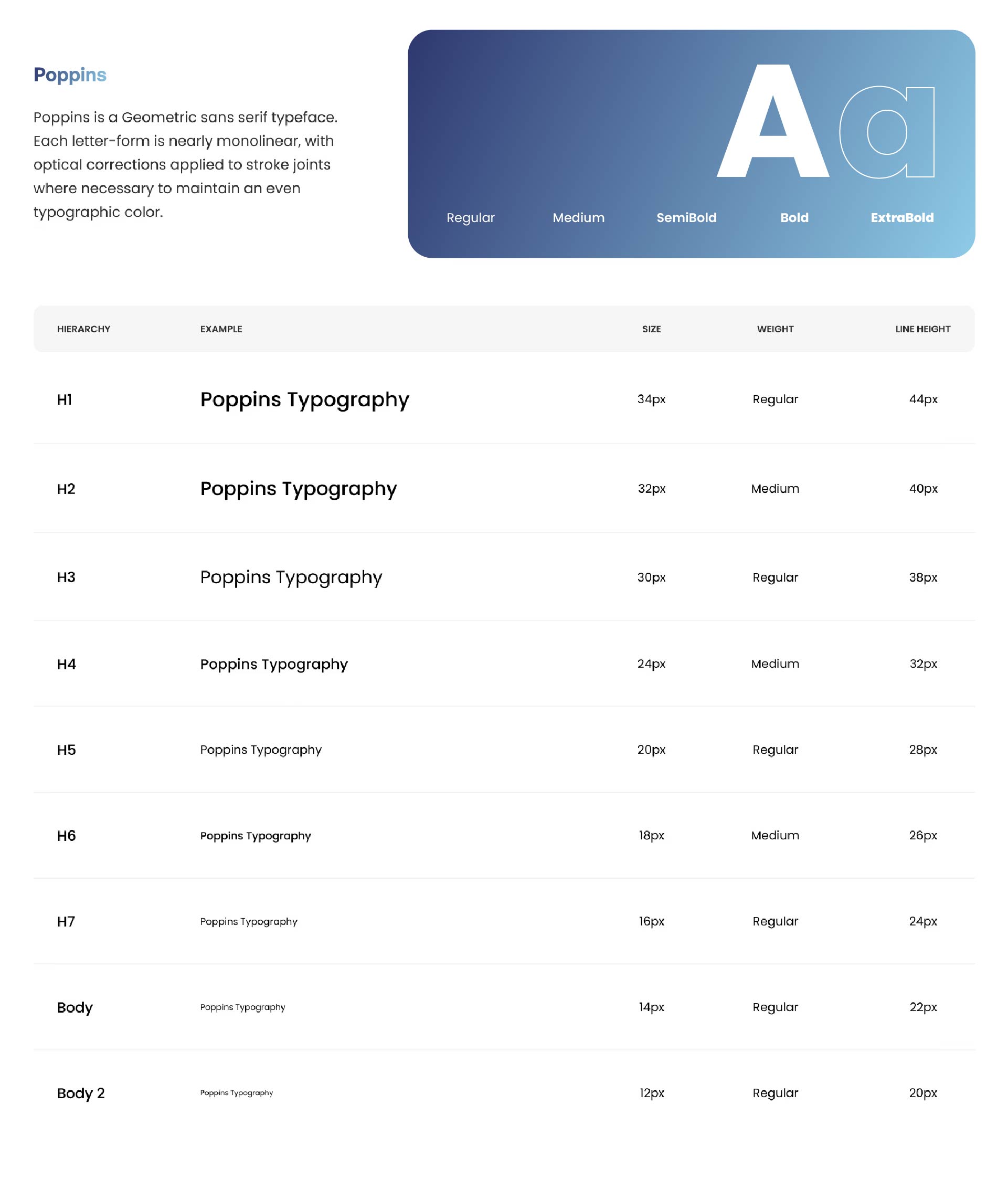
<!-- Typography-->
<!-- Card library-->